The evolution of gambling A journey through history's bets and games
Origins of Gambling in Ancient Civilizations
The roots of gambling can be traced back to ancient civilizations, where games of chance were often intertwined with cultural and religious practices. In Mesopotamia, for instance, clay dice dating back to 3000 BC have been discovered, indicating that the act of betting on outcomes was a popular pastime. Similarly, the ancient Egyptians engaged in various forms of gambling, such as senet, a board game that required both skill and luck, reflecting the dual nature of chance games. These activities were not merely for entertainment; they often held social significance, reinforcing community bonds.
As we delve deeper into history, we find that the Romans also played a crucial role in the evolution of gambling. They introduced a structured approach to betting through various events, particularly gladiatorial games. Citizens would wager on the outcomes of battles, showcasing their loyalty to favored combatants while simultaneously fueling the thrill of the contest. These bets transcended mere financial transactions, becoming emblematic of Roman culture, where risk-taking was celebrated and often rewarded, further embedding gambling in the societal fabric.
By the time we reach the Middle Ages, gambling had evolved significantly, with the introduction of card games around the 14th century. Originating in China and spreading through Europe, cards became a tool for not only chance but also strategy and skill. The creation of the modern deck of cards led to games like poker and blackjack, which would later dominate the gambling scene. This period marked a shift from purely luck-based activities to games that required both chance and tactical thinking, foreshadowing the complexities of modern gambling.
The Birth of Casinos and Modern Gambling
The concept of casinos emerged in the 17th century, particularly in Italy with the establishment of the first official gambling house known as the Ridotto in Venice. This venue allowed the upper class to gamble in a controlled environment, paving the way for the opulent casinos we see today. The Ridotto featured games like bassetta and other card games, creating a social hub for the elite. This marked a turning point in gambling, as it transitioned from informal settings to lavish establishments, symbolizing wealth and status.
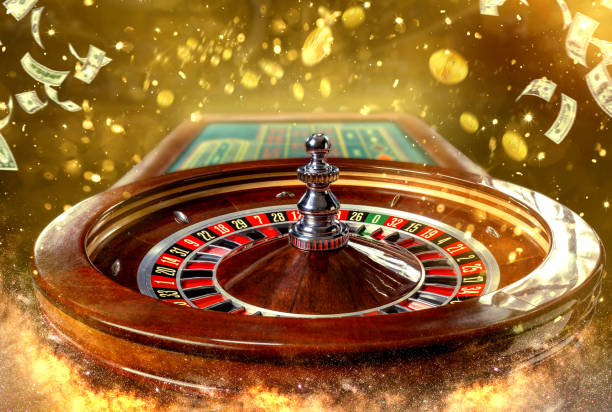
Throughout the 18th and 19th centuries, gambling houses began to sprout in major cities across Europe and America. The gaming tables drew not only the wealthy but also the burgeoning middle class, eager to engage in the thrill of chance. Casinos started to embrace various games, including roulette and craps, each bringing its own set of rules and complexities. This diversification of games attracted a broader audience, enhancing the cultural significance of gambling as a form of entertainment.
With the advent of the 20th century, gambling further evolved as governments began to regulate the industry. In Las Vegas, Nevada, casinos transformed into extravagant resorts, attracting millions of tourists from around the globe. This era saw the rise of iconic establishments like the Bellagio and Caesars Palace, which offered not only gaming but also luxurious accommodations, dining, and entertainment. The modern casino became a multifaceted venue, where gambling was just one facet of the overall experience, emphasizing a lifestyle of leisure and indulgence.
The Digital Revolution and Online Gambling
The dawn of the internet heralded a new era for gambling, leading to the creation of online casinos in the late 1990s. This innovation allowed players to engage in games from the comfort of their homes, eliminating the need for physical travel to casinos. Online platforms offered a vast array of games, often with more favorable odds than their land-based counterparts, such as mafia-casino.nz. This accessibility democratized gambling, attracting a diverse demographic, from casual players to seasoned gamblers seeking high-stakes action.
Moreover, the rise of mobile technology transformed the landscape further, allowing players to gamble anytime and anywhere. Mobile applications for popular games like slots and poker created a seamless experience, catering to the needs of a generation that values convenience. With features like live dealer games, online casinos have emulated the ambiance of traditional venues, effectively bridging the gap between digital and physical gambling.
As online gambling continues to grow, regulatory frameworks have evolved to address the challenges posed by this rapidly changing environment. Countries worldwide are grappling with issues of fairness, responsible gambling, and consumer protection. This ongoing adaptation showcases the dynamic nature of gambling, ensuring that it remains a relevant and significant part of modern entertainment culture, influencing societal attitudes towards risk and reward.
Cultural Impact and Social Perception of Gambling
The cultural significance of gambling extends beyond mere entertainment; it serves as a reflection of societal values and attitudes toward risk. In many cultures, gambling has been viewed as a rite of passage, symbolizing luck and fate. For instance, in some Indigenous cultures, traditional games played during ceremonies embody deeper meanings related to community bonding and spiritual beliefs. This aspect illustrates how gambling transcends simple play, weaving itself into the narrative of cultural identity.
However, the perception of gambling is not universally positive. Many societies grapple with the consequences of addiction and financial ruin linked to excessive gambling. Public discourse often oscillates between viewing gambling as a thrilling pastime and a potential societal menace. The duality of gambling—offering excitement while posing risks—has sparked initiatives aimed at promoting responsible gaming, highlighting the importance of education and awareness in mitigating negative outcomes.
As we move further into the 21st century, the conversation surrounding gambling’s role in society continues to evolve. With the integration of technology and social media, platforms now allow for shared experiences among players, reshaping how gambling is perceived. This sense of community brings a new dimension to the activity, encouraging responsible play while celebrating the camaraderie it fosters. The ongoing dialogue about gambling reflects its complexity and the varied perspectives that shape its cultural significance.

Mafia Casino: A Modern Gaming Experience
In the realm of online gambling, Mafia Casino stands out as a premier platform tailored specifically for New Zealand players. Launched in 2025, it offers a vast selection of over 4,000 top-quality casino games, alongside an extensive sportsbook. This variety caters to diverse interests, ensuring that both casual gamers and seasoned players can find something that suits their tastes. The platform is designed with user-friendly navigation, making it easy for players to explore the exciting options available.
Committed to enhancing the gaming experience, Mafia Casino emphasizes secure payment methods and prompt withdrawals. New users are welcomed with a generous bonus of 100% up to NZ$1,000, accompanied by 200 free spins, providing ample opportunities to explore the platform. This approach not only attracts players but also fosters a sense of loyalty, encouraging them to return for more thrilling gaming experiences.
With professional customer support readily available, Mafia Casino ensures that players have a seamless and enjoyable journey. The platform’s dedication to delivering an engaging gaming environment reflects the evolution of gambling, where modern technology meets the time-honored thrill of chance. In an ever-changing landscape, Mafia Casino stands as a testament to the enduring appeal and cultural significance of gambling in our lives today.